
Craniosacral * Myofascial
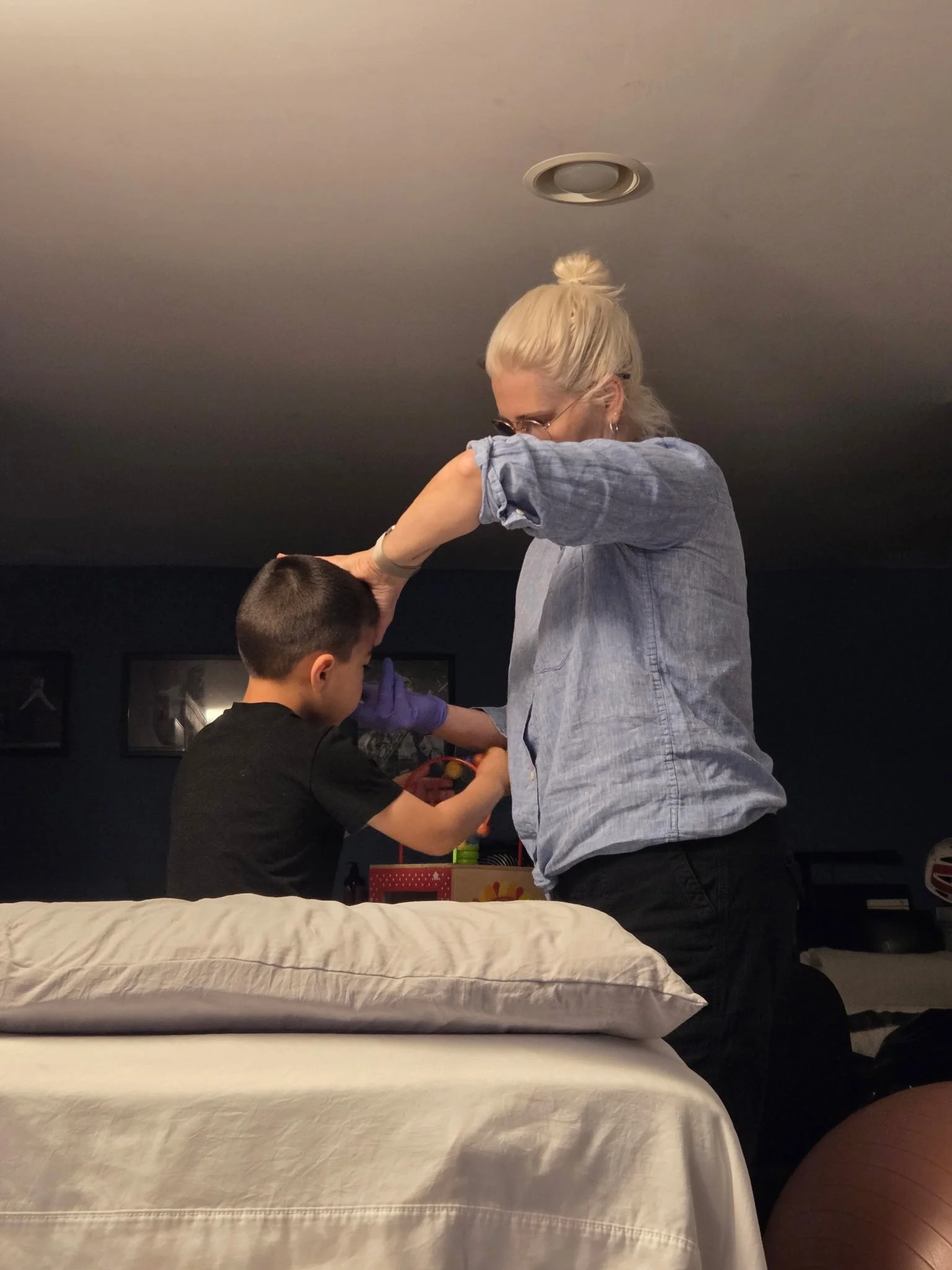
I began studying Craniosacral Therapy (CST) in 2008. There was not too much demand for it in my deep tissue driven massage practice, so I was mostly incorporating it into sessions to create a more comprehensive treatment. It was particularly helpful with my migraine and TMJ sufferers.
After working in the breastfeeding/lactation field for a few years, I was reminded how impactful and profound this work is. So, in early 2021 I picked up my training again, this time with some of the masters of the infant CST world.
When discussing the many ways CST can benefit infants, my mentor said “did they get born?? Then they can benefit from CST”.
Sometimes the trauma of being born, birthing interventions, or feeding difficulties cause great stress and tension. The position in utero and during birth affects their anatomy, or form, which will impair their function.
The first goal of Craniosacral Therapy is to guide bodies into their parasympathetic state, or “rest and digest” mode. Meaning, they can relax out of their sympathetic state, or “fight or flight”.
The body needs to be in a parasympathetic state in order to heal. Relaxation breeds recovery.
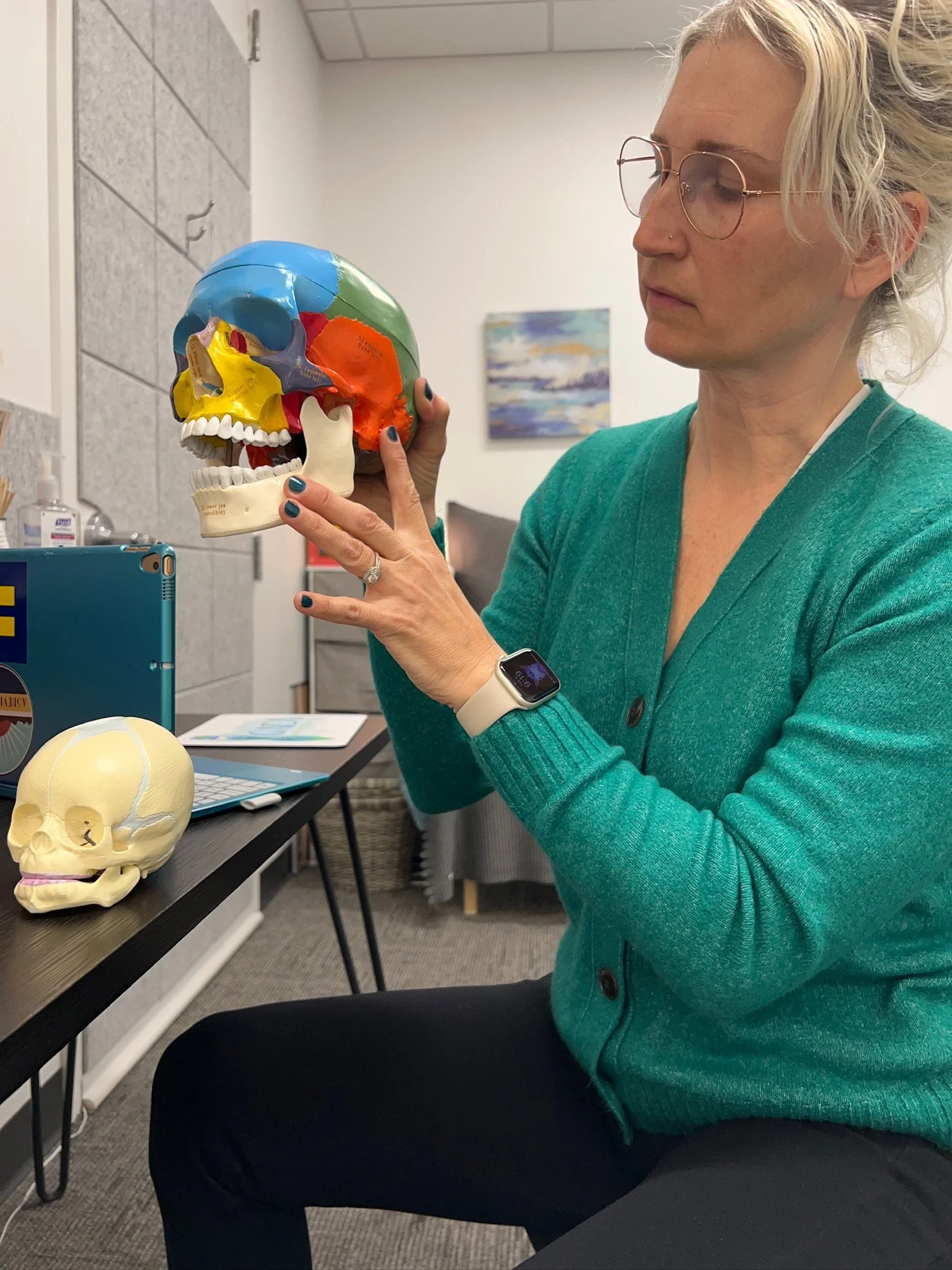
During birth, it is common for the cranial bones to override each other at the cranial sutures. After birth, these overlapping bones should self correct quickly. If they do not, they can interfere with proper cranial nerve function. Cranial nerves are responsible for swallowing, digestion, and sensory-motor movements of the face and tongue. Cranial nerve dysfunction can lead to feeding and breastfeeding difficulties, colic, reflux, and more.
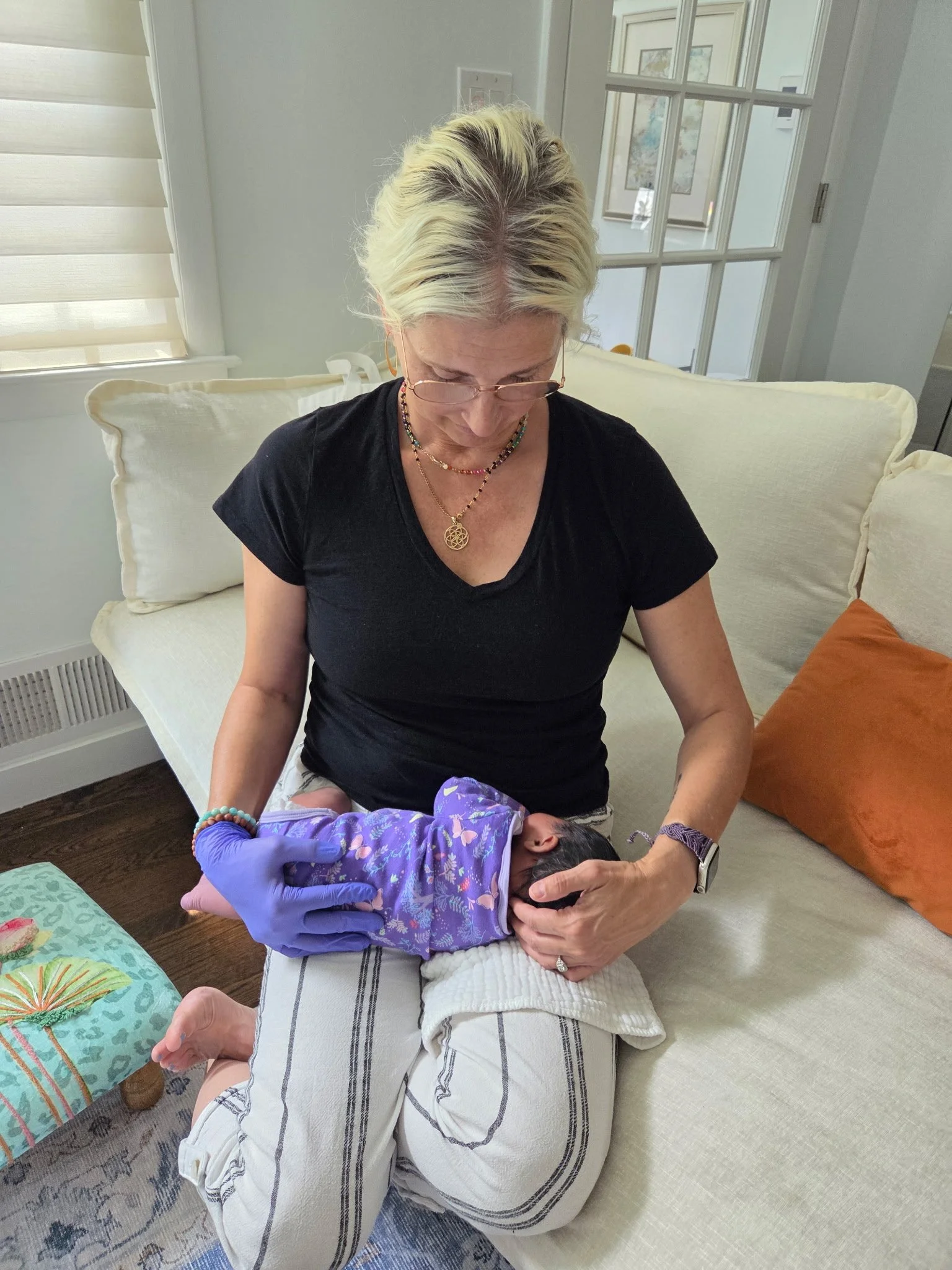
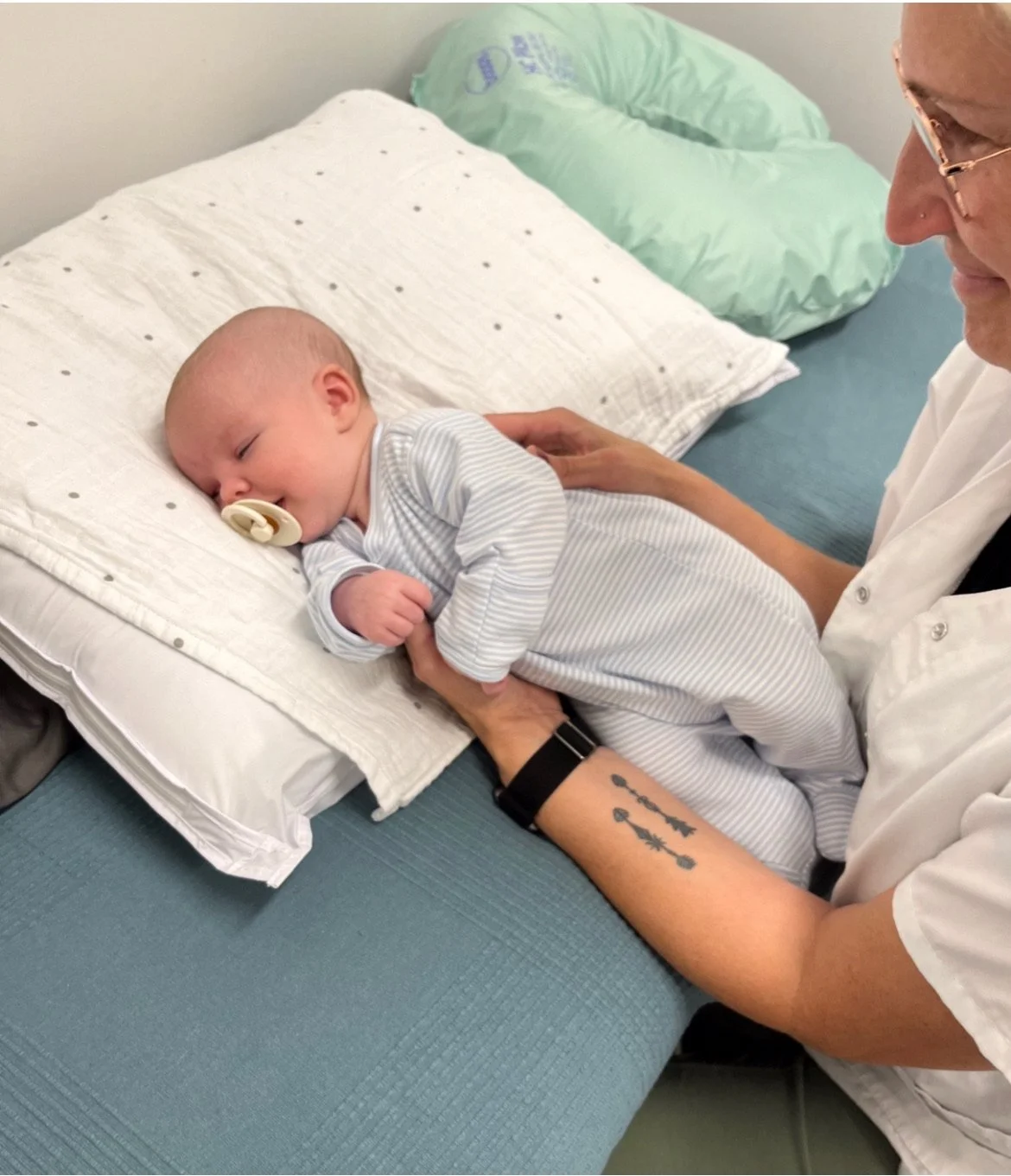
Craniosacral therapy is a manual therapy using 5 grams of pressure that helps release restrictions in the pelvis, spine, neck, and skull, which improves the function of the central nervous system.
CST is an extremely gentle way to release tension, optimize function of the entire body and promote overall calm.
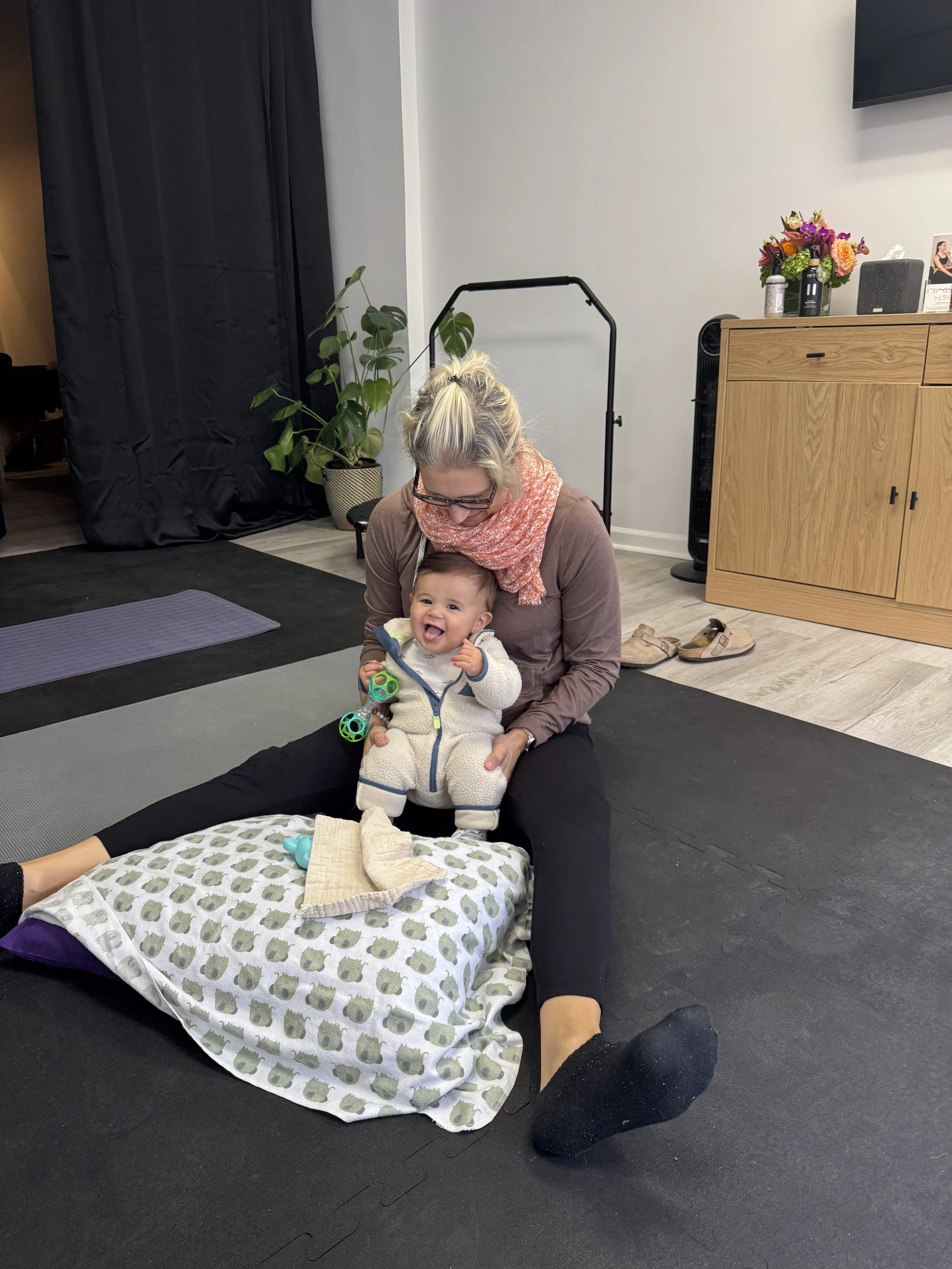
My CST sessions with infants also include traditional infant massage, rhythmic movement, intraoral work and take home exercises for parents to support healing at home.
As I circled back to my bodywork roots, I found that the incorporation of Myofascial Therapy was profoundly impactful when paired with CST. MFR is a slow, steady engagement of the fascia to help realign tissue and alleviate chronic pain and restrictions.
Adults and teens receive a combination of Myofascial Release (MFR) and CST.
CST and MFR for:
Infant
Oral ties
“Colic”
Torticollis
NICU stay
Plagiocephaly/Brachiocephaly (misshapen head)
Traumatic birth or prolonged labor
Feeding or latching difficulties
Reflux and GI issues
Child/ Teen/ Adult
Oral ties
Speech delays
Sensory seeking behaviors
Anxiety, ADD and Nervous system regulation
ASD
Trauma
Chronic pain and tension
Chronic illnesses
Vision Issues
Concussions